If Your Injury Has Healed, Why Doesn’t Your Body Feel Better?
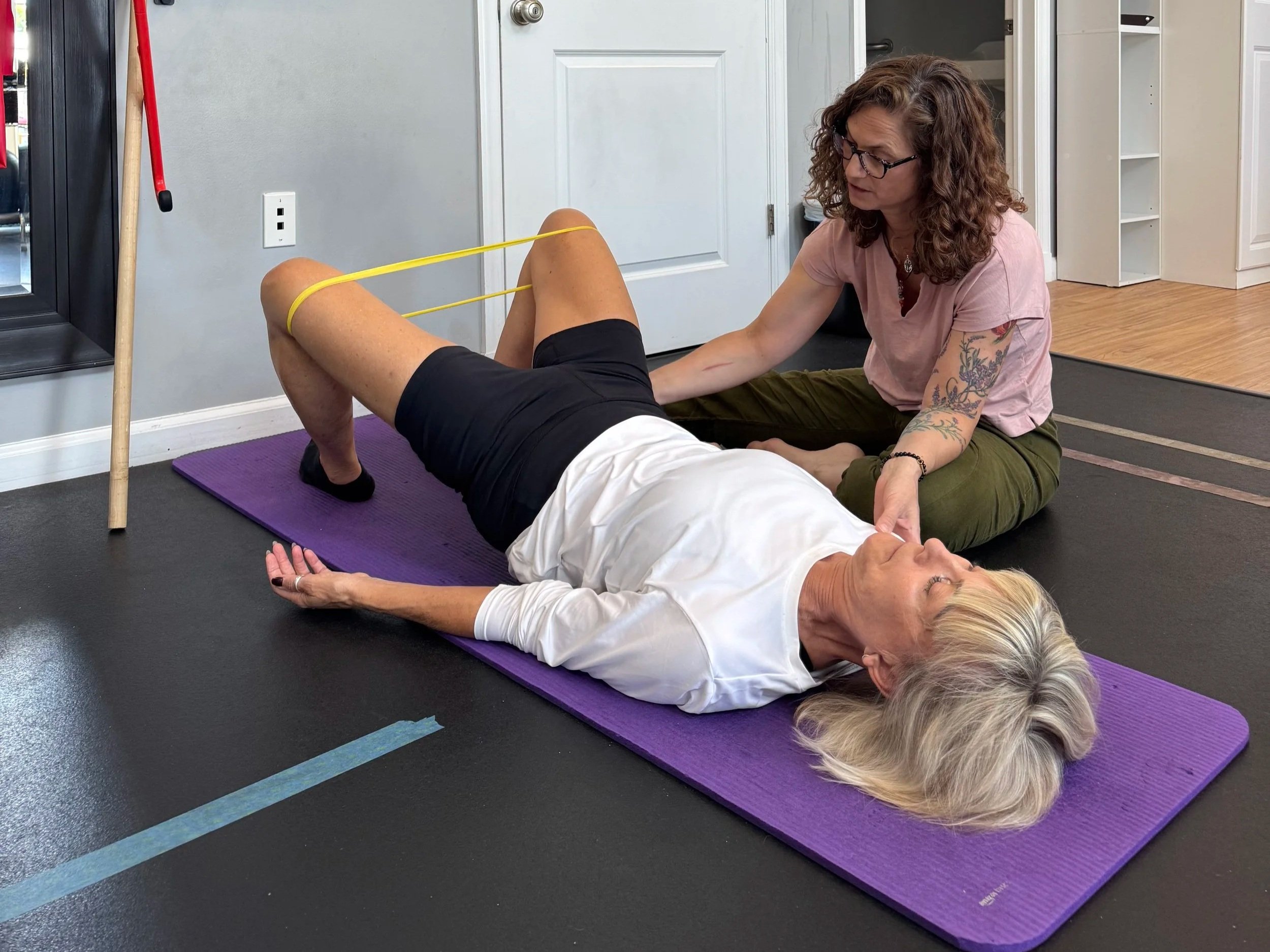
If you've ever been told your injury has healed, but your body still doesn't feel quite right, you're not alone.
Maybe your ankle no longer shows signs of injury, but you still hesitate before stepping off a curb. Maybe your shoulder has regained its range of motion, yet reaching overhead still feels awkward. Or perhaps your back has "checked out fine," but it continues to tighten up every time you spend a long day in the yard or pick up your grandchild.
It can leave you wondering what you're missing. If everything has healed, why doesn't your body seem to believe it?
At A Life in Balance in both Flemington, NJ, and Stratton, VT, this is a conversation we have often through our holistic physical therapy approach. One of the biggest misconceptions about recovery is that once an injury heals, the body automatically goes back to the way it was before. Sometimes it does. Sometimes it doesn't.
That's because healing tissues and feeling ready to move freely again aren't always the same process. Even after an injury has healed, the nervous system may continue organizing the body around protection. That's a normal response—but when it lasts longer than it's needed, it can leave you feeling stiff, guarded, or as though your body never fully recovered.
Why Your Body Can Stay in Protection
Have you ever driven through a snowstorm?
The roads are slick. Visibility is poor. Without even thinking about it, you grip the steering wheel a little tighter. Your shoulders creep toward your ears. You're scanning the road, paying attention to every movement around you.
Then you finally pull safely into your driveway. You turn off the car and realize your jaw is still tight. Your shoulders haven't relaxed. Your hands are sore from gripping the wheel.
The storm is over, but your body hasn't caught up yet.
An injury can work the same way.
When something hurts, your body naturally becomes more protective. You may move more cautiously. Certain muscles work harder while others become quieter. You might avoid twisting a certain way or unconsciously brace before getting out of a chair. None of those responses mean your body is malfunctioning. They're intelligent adaptations designed to help you through a difficult situation.
As Dr. Paula often says, "Protection isn't the problem. Persistence is."
For many people, those protective strategies gradually fade as healing takes place. But sometimes they stick around. The injury may be gone, yet the body continues behaving as though it still needs to be on guard. This is one reason people can continue experiencing stiffness, guarding, recurring discomfort, or even chronic pain long after the original tissue has healed.
How Your Nervous System Shapes Pain and Movement
This is where the nervous system plays such an important role.
Think of the nervous system as the body's organizer. It's constantly gathering information and deciding how your body should respond. It helps determine how much tension to create, how freely you're willing to move, and whether certain situations still require protection.
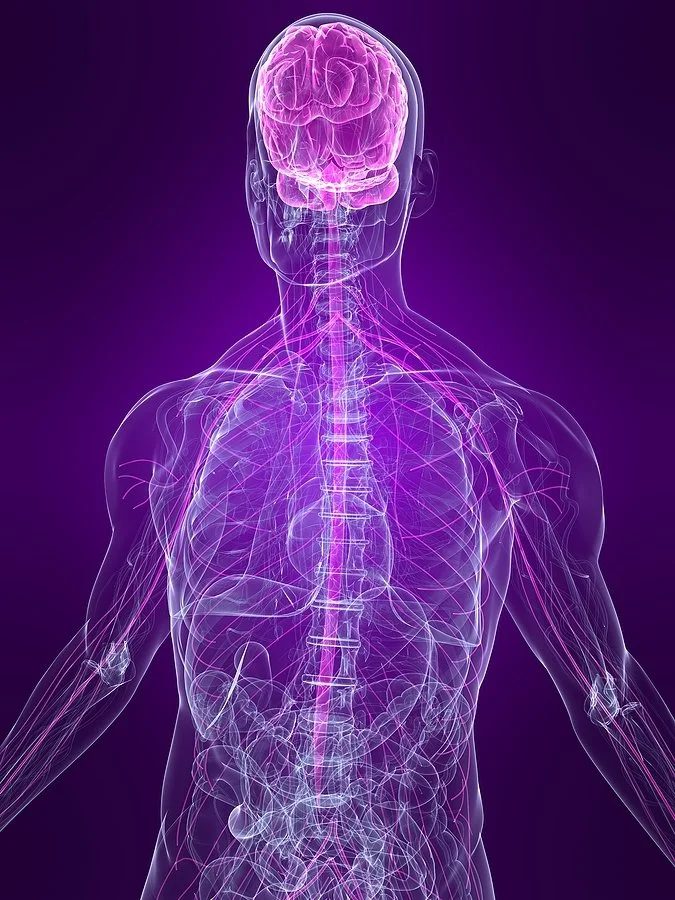
Most of this happens automatically. We don't consciously decide to tighten our shoulders or brace before bending over. The body simply responds based on the information it has available.
As Dr. Paula explains, "Nothing meaningful changes in the body until the nervous system feels safer."
That doesn't mean your pain is "all in your head," and it doesn't mean your body is overreacting. It does highlight the mind-body connection that influences how we experience pain and movement. The nervous system's first priority is keeping you safe. If it still believes a movement, position, or activity might be a threat, it may continue organizing your body around protection even after the original injury has healed.
That's also why recovery can be influenced by more than the injury itself. The nervous system doesn't separate physical stress from emotional stress or the demands of everyday life. A poor night's sleep, a busy week at work, caring for a loved one, recovering from an illness, or dealing with an old injury all contribute to the overall load the body is managing. To the nervous system, it's all information. It simply responds to the total amount your body is being asked to manage.
Most people have experienced this without realizing it. During stressful seasons, the shoulders feel tighter. The jaw aches. Old aches and pains seem to make an unexpected return.
The body isn't confused. It's responding to everything it's being asked to manage.
A Different Way to Think About Recovery
This perspective changes the way we approach physical therapy. Rather than focusing only on the site of pain, we work to understand how the nervous system, movement patterns, and the body's protective strategies are influencing recovery.
Stretching, strengthening, and manual therapy all have an important place in rehabilitation. But if the body is still organizing itself around protection, those treatments don't always create lasting change on their own. The nervous system may continue relying on familiar movement patterns because they're the ones it trusts most.
That's one reason a physical therapist at ALIB spends time trying to understand the body's story instead of focusing only on the painful area. What has the body been protecting? What movement strategies has it developed? Are those strategies still helping, or have they simply become familiar?
Those answers often tell us far more than the location of the pain itself.
As Dr. Paula says, "Regulation creates the possibility for change."
At ALIB, holistic physical therapy isn't about teaching people to relax or convincing them that nothing is wrong. It's about helping the body feel supported enough that it no longer has to rely on the same protective strategies all the time. When that happens, movement often begins to feel easier—not because the body has been forced into better mechanics, but because it has more options available again.
The Bottom Line
If you've ever felt frustrated because your body doesn't seem to have "gotten the memo" that your injury has healed, you're not imagining it.
For many people, the missing link isn't that the body failed to heal. It's that the nervous system is still responding as though protection is needed. Helping the body move beyond those protective patterns is often what allows recovery to continue.
At A Life in Balance, we believe recovery begins by understanding those protective strategies rather than fighting against them. Our holistic physical therapy approach helps people better understand the connection between the nervous system, movement patterns, and recovery so lasting change becomes possible.
If you're looking for physical therapy in Flemington, NJ, or physical therapy in Stratton, VT, our team can help you better understand what your body may be asking for—and build the movement options that support long-term healing.