What Is Holistic Physical Therapy? A Complete Guide to Treating the Whole Person
Pain has a way of making us focus on one specific area of the body—the sore shoulder, the tight lower back, the knee that suddenly hurts every time you go up the stairs. But the body rarely works in isolated parts. The way we breathe, move, recover, and respond to stress or old injuries all influence how we feel physically, often more than we realize.
That’s part of what makes holistic physical therapy different.
Rather than focusing only on the site of pain, holistic physical therapy looks at the bigger picture of how the body is functioning as a whole. Breathing habits, stress, sleep, previous injuries, daily movement habits, and physical adaptations can all play a role in discomfort and recovery over time.
At A Life In Balance Wellness Center, that whole-person perspective is built into the treatment process. The goal is to better understand what may be contributing to the issue in the first place and help the body move with more support over time.
So, What Is Holistic Physical Therapy?
Holistic physical therapy is an approach to rehabilitation that treats the body as an interconnected system instead of focusing only on isolated symptoms or injuries. In practical terms, that means looking beyond the painful area to understand the larger picture of what may be contributing to discomfort or limitation.
For example, someone dealing with low back pain may also be navigating stress-related tension, shallow breathing habits, poor sleep, or old compensation strategies from previous injuries. Even if those things seem unrelated at first, they can all influence how the body responds and functions.
At ALIB, holistic physical therapy doesn’t replace traditional PT. It builds on it. Treatment still includes evidence-based physical therapy techniques, but with a broader lens that considers how the body adapts and organizes itself over time.
As Dr. Paula explains, “Your body is not broken. It has been adapting—often brilliantly—for a long time.”
For many people, that shift in perspective can feel relieving. Instead of feeling like their body is failing them, they begin to understand that it may simply be relying on patterns that are no longer serving them well.
How Is It Different From Traditional Physical Therapy?
Traditional physical therapy is often designed to address a specific injury, body part, or limitation. And in many situations, that approach works very well.
Holistic physical therapy simply widens the lens.
In addition to asking where something hurts, a holistic approach may also explore questions like:
How is the body compensating?
What habits or patterns keep showing up?
Is stress affecting tension or recovery?
Is the body staying in a more guarded state?
Does the body have enough mobility and support to distribute load efficiently?
These ideas aren’t separate from physical therapy. They’re part of understanding how the body functions as a connected system rather than a collection of unrelated parts.
Most people have experienced this connection without thinking much about it. During stressful periods, breathing often becomes shallower. Shoulders creep upward. Jaw tension increases. Movement becomes tighter or more guarded. The body responds to what’s happening internally and externally all the time.
A holistic approach simply pays attention to those patterns instead of treating them as unrelated background noise.
Understanding the Mind-Body Connection in Physical Therapy
The mind-body connection isn’t just a wellness phrase. It has a very real influence on tension, pain, movement, and recovery.
When the nervous system perceives stress or threat—whether physical or emotional—the body often shifts into protective patterns. Muscles tighten. Breathing changes. Coordination becomes less fluid. Over time, those responses can contribute to discomfort and physical strain.
That doesn’t mean pain is “all in your head.” It means the nervous system plays an important role in how the body experiences and responds to pain.
At ALIB, breathing is viewed as one of the body’s key organizing tools. Breath influences trunk stability, core engagement, and how supported the body feels during movement. When breathing becomes restricted or tense, the body often compensates elsewhere.
For some people, that connection becomes obvious during stressful periods when tension builds everywhere at once. Others notice it during exercise or recovery, when holding their breath or bracing excessively, which changes how movement feels.
Common Holistic Approaches Used in Physical Therapy
Every therapist approaches care differently, but holistic physical therapy often includes a combination of:
Manual Therapy
Hands-on treatment techniques used to improve mobility, reduce tension, and support healthier movement.
Breathwork
Breathing strategies that help improve coordination, core support, and nervous system regulation.
Intentional Movement
Purposeful movement patterns that help retrain how the body controls and supports motion.
Movement Pattern Assessment
Looking at how the body moves as a whole to identify compensation patterns and inefficient loading strategies.
Lifestyle & Recovery Considerations
Sleep, stress, activity levels, and recovery habits all influence healing and physical function.
At ALIB, the focus isn’t on forcing the body into “perfect posture” or rigid positions. The goal is to help people move with more adaptability, support, and confidence over time.
Who Benefits Most From a Holistic Approach?
Holistic physical therapy can benefit a wide range of people, but it’s especially helpful for those who:
experience recurring or chronic pain
feel like they’ve “tried everything”
notice symptoms worsen during stressful periods
feel disconnected from how their body moves
want a more individualized approach to rehab
re recovering from surgery or long-standing compensation patterns
Many people explore holistic physical therapy after more traditional approaches haven’t fully resolved recurring pain or movement issues. Others simply want to better understand how their body functions and develop movement habits that feel more sustainable long-term.
It can also be valuable for active adults and athletes who want to improve performance without constantly feeling stuck in cycles of tension, compensation, or overuse.
What to Expect During a Holistic Physical Therapy Session
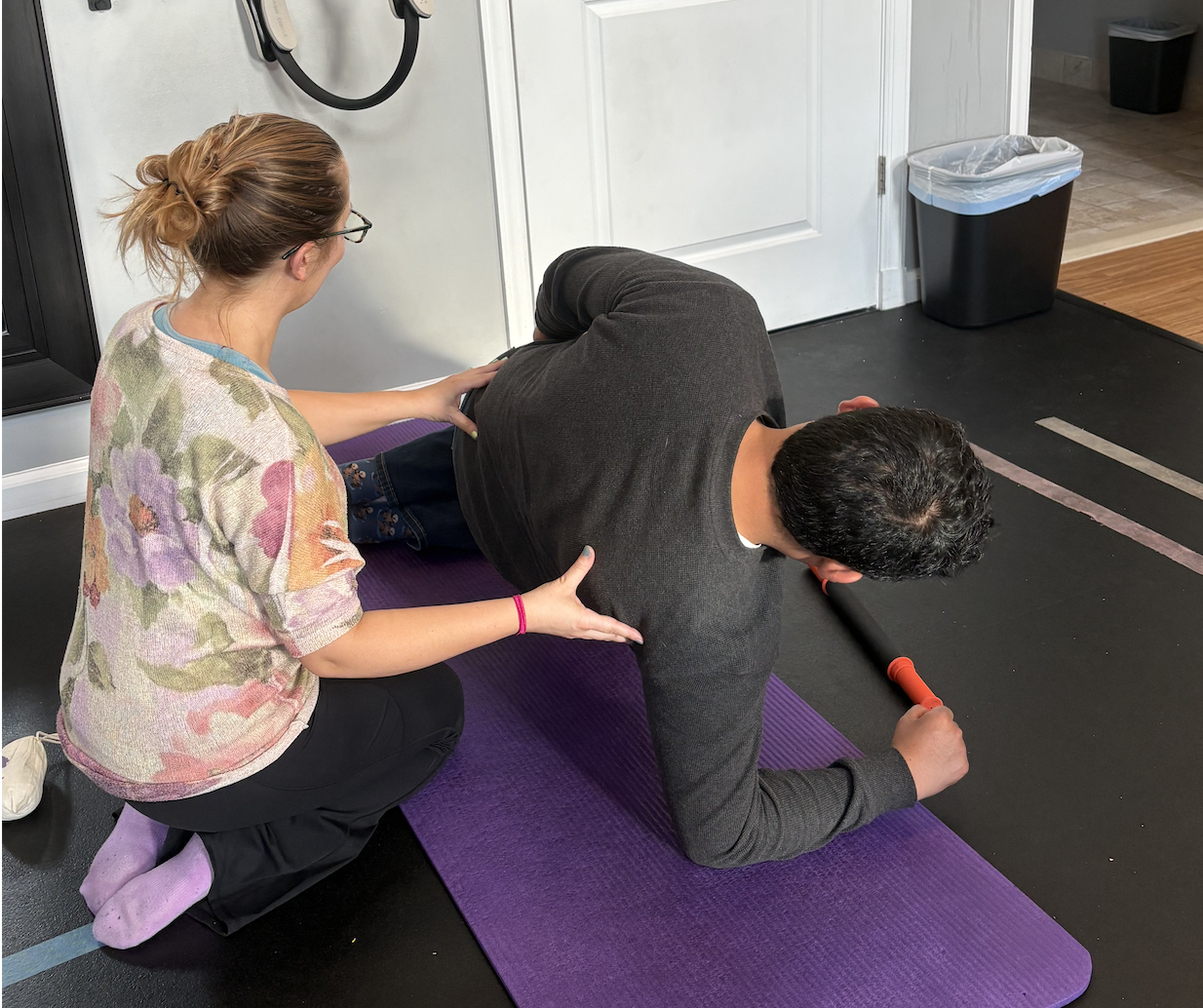
A holistic PT session often feels more collaborative and individualized than people expect. There may still be strengthening exercises, mobility work, and hands-on treatment, but there is also attention given to how the body functions overall. A therapist may observe breathing patterns, posture under load, transitions between positions, or how certain muscles are overworking during movement.
Sessions may include:
movement assessment
breathing and coordination work
nervous system regulation strategies
strength and mobility exercises
education around recovery and movement habits
At ALIB, the emphasis is less about “fixing” the body and more about helping people understand how their body has adapted over time. From there, treatment focuses on building movement strategies that feel more supportive, sustainable, and realistic for everyday life.
The Bottom Line
Holistic physical therapy recognizes that pain, movement, stress, breathing, and recovery are all connected. By looking at the body as a system instead of focusing only on isolated symptoms, this approach can help people better understand why certain issues keep showing up and what may be contributing to ongoing discomfort.
For many people, that broader perspective changes the experience of rehab entirely. Instead of feeling like they need to fight against their body, they begin learning how to work with it more effectively.
If you’re looking for a more thoughtful, whole-person approach to care, the team at A Life In Balance (at both our Flemington, NJ and Stratton, VT locations) offers physical therapy that considers the full picture—not just the site of pain.