When Accidents Happen: Why Physical Therapy is About More than “Getting Back”
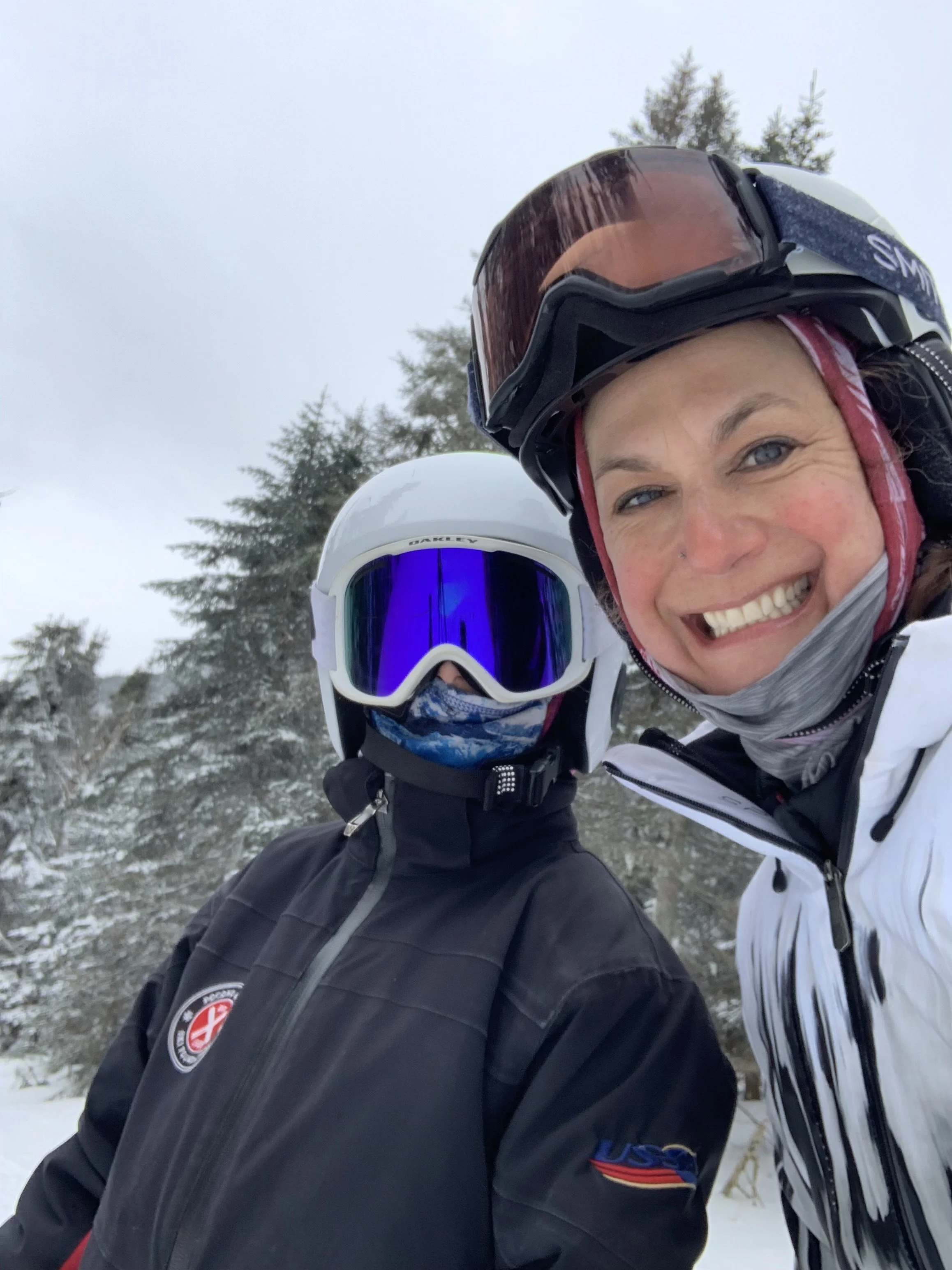
Accidents don’t discriminate. They happen to everybody—even active, healthy, careful people. And yes, even physical therapists! Over the holidays, our own Dr. Paula experienced a skiing accident! Accidental injuries are simply part of an active life, to the tune of about 61 out of 100,000 people globally each year. Whether it’s slipping and falling on the ice, a car accident, a sports injury, or anything else, accidents are not a sign of failure, as Dr. Paula points out:
"I was prepared, careful, and didn’t take any extraneous risks, but the accident still occurred,” she says. “Being active and exercising did not make me immune to this incident. Sometimes things happen despite being healthy, active, and strong."
Now that she’s working on recovering from this skiing injury, Dr. Paula wants to share her thoughts and insights about the healing process from a physical therapist’s point of view—so that if an accident happens to you or someone you love, you’ll be able to take a real physical therapist’s recommended approach and a proactive role in your own recovery. If you’ve ever rushed to get back to your routine because you felt “fine,” only to feel off weeks later, this is for you.
Why Accidents Affect More Than the Injured Area
The human body is amazing in that everything is intricately connected and works together. This is also why injuries rarely, if ever, stay isolated in the body part where they first occurred. An accident that affects one body part can easily spread to others in the following ways:
1. Compensation Patterns
When you injure one body part, adjacent body parts compensate and move differently, too. For example, if you injure your elbow, you'll start moving your whole arm differently. The muscles, tendons, ligaments, and nerves in your elbow connect to your forearm, wrist, hand, and fingers in one direction, and to your shoulder, neck, and upper back in the other direction.
2. Altered Movement Strategies
This natural tendency to compensate for an injury by moving adjacent body parts differently than they're used to, consciously or subconsciously, can place unusual strain on adjacent or corresponding areas. For example, if you injured your right knee, you’ll probably start using your left knee more. If your left knee isn't used to that extra work, it will start feeling the strain eventually.3. Chain Reactions Throughout the Body
You can probably see where this is going: you start compensating or overcompensating for your initial injury in several ways, altering your movement patterns over all your body’s other joints, muscles, and tissues. Research shows that this can cause unexpected consequences elsewhere in your body that persist long after the original accident pain resolves. Dr. Paula sees this in her advanced physical therapy practice all the time, and it’s something she’s thinking about a lot during her recovery process.
The Body Protects First, Asks Questions Later
“My body immediately went into shock mode, and then self-protective mode,” explains Dr. Paula. “And then full-on stress response.”
The moment an injury happens, the body diverts resources from other areas to “lock down” the injury site and protect it. The brain is always trying to protect the body, which responds with inflammation and pain, causing increased blood flow and swelling, which causes stiffness. Even your breathing changes. And mentally, you experience shock that affects how your body reacts to the situation as well.
“Given the work that we do at ALIB, I felt some of the physical shifts in my body responding to the major trauma and stress response,” says Dr. Paula. “I was not able to move very much, but once I was in the hospital and awaiting imaging, I was able to do neutral trunk breathing with grimace faces and chin gentle tucks, which helped more than I expected it to!"
Healing vs. Recovery: They’re Not the Same Thing
It’s important to understand how healing and recovery differ if you suffer an accidental injury:
Healing is the process of tissue repair at the injury site. The wound heals. The bone repairs itself. Cells regenerate. That’s the first part of recovery, but by no means the last.
Recovery is a more holistic concept. This involves a restoration of overall body balance, range of motion, strength, movement, and control. And this can take much longer than the initial healing because it involves the rest of your body, brain, and lifestyle.
Naturally, all those things are important and intertwined, as Dr. Paula explains: "There are many layers to healing,” she says. “My initial response was to return to my daily activity level within a week. But that decision was taken out of my hands when I was limited in my ability to drive. When the choice was taken away from me, it gave me space to focus on the stages of my healing.”
“Mobility limitations and surgical soreness were only part of it. Recovering from the trauma of the accident as well as the trauma of the surgery has been very important and something that I encourage in everyone, but I have historically not been great at doing for myself."
The Real Risk After an Accident—Returning Too Soon or Unprepared
Research indicates that the risk of re-injury after only basic “healing” from an accident ranges between 9% and 15% in the first 12 months following the original injury. That’s because returning to full activity too soon, based on the mere absence of pain at the original injury site, can increase the risk of re-injury significantly. Strength, movement patterns, and neuromuscular control usually lag behind tissue healing in the multistep process of recovery and future injury prevention. Dr. Paula warns that “pain-free” doesn’t necessarily mean “prepared” for normal activities:
“Muscles weaken when they aren’t used; the statistic is that for every week of bed rest, the body requires a month of rehabilitation,” she says. “So, people assume that healing puts their bodies into the same state they were before the injury, without realizing that the muscles may be weaker or function differently than they did before.”
Returning to full activity too soon after an injury presents the following potential re-injury risks:
Reduced strength
Slower reaction times
Balance deficits (10% of fall injuries happen because of balance issues)
Fatigue-related breakdown
Even small deficits in these areas can show up at unexpected times, causing a misstep, a trip, or an awkward landing that could lead to reinjury.
“Balance and proprioception are directly impacted by surgical intervention,” says Dr. Paula. “Fear and psychological factors can also impede results, participation, and tolerance of activity. All of these issues are treatable and preventable, and the first step is being able to acknowledge all of them."
The Overlooked Side of Accidents—Confidence and Control
Speaking of psychological factors, it’s critical to address the mental and emotional shock and trauma that often gets swept under the rug while dealing with a physical injury.
“Addressing the nervous system as a whole is necessary to be able to fully return to your favorite activities—regardless of how the accident may have occurred,” says Dr. Paula.
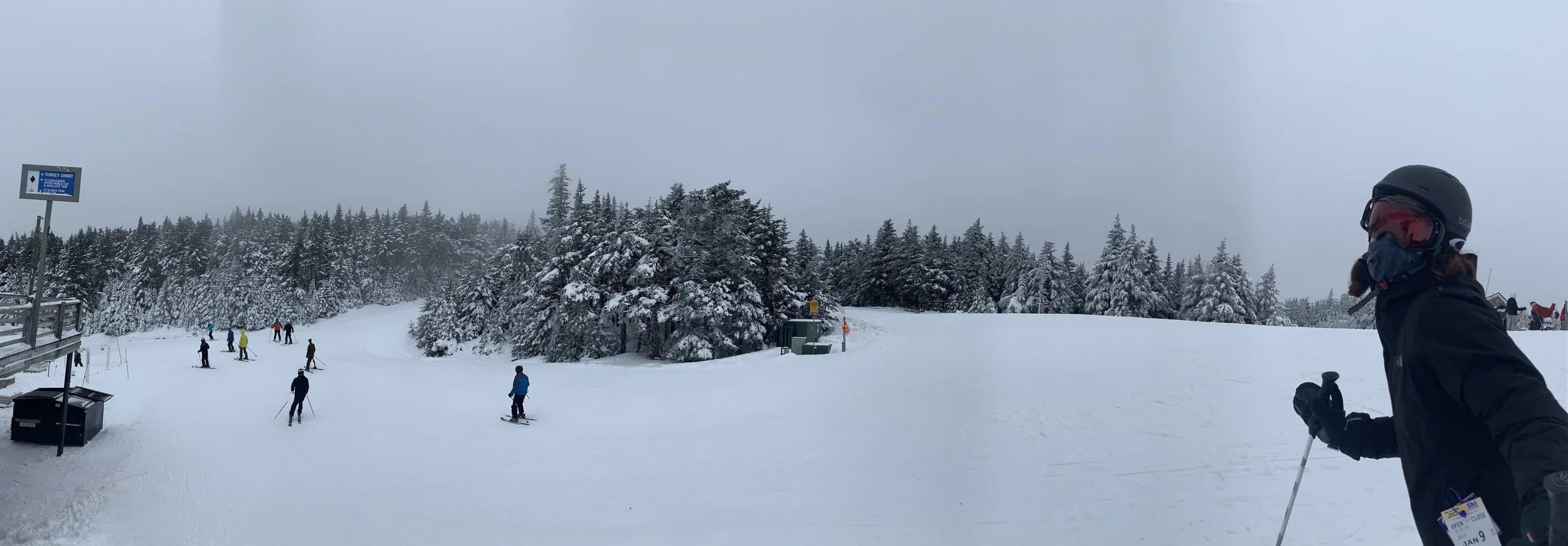
“I love skiing! I have instilled the love of skiing into my family, and I have every intention of returning to it when I am physically healed. But I have to be aware of the fact that I may be afraid, and processing that fact is vital. It’s not healthy to get stuck in the fear, nor is it healthy to ignore the fear. Gradual return and honoring your emotions are important.”
Dr. Paula explains that the emotions surrounding the injury and subsequent recovery and reintroduction can tangibly affect the recovery process. The autonomic nervous system (ANS) can trigger physical fight or flight responses surrounding the injury that can affect breathing, trust in the body, movement compensation, and hesitation during movement.
“This is why rebuilding confidence, taking things gradually, and honoring your feelings during the recovery and physical therapy process are all so important,” says Dr. Paula. “Rebuilding confidence is just as important as rebuilding muscle strength.”
Advanced Physical Therapy Supports Holistic Recovery
Evidence shows that structured, progressive rehabilitation improves functional outcomes and reduces the likelihood of future injury. The type of advanced physical therapy we practice here at A Life in Balance is a guided, progressive process that honors and attends to all aspects of recovery holistically—physically and mentally. After the initial physical therapy “blueprinting” process, where we fully evaluate your injury, and also your entire body’s movement patterns, strengths, and weaknesses, we create an individualized plan that includes:
1. Gradual Reloading
As your tissues heal, we’ll guide you through controlled exercises that gradually increase in tension, force, movement, and complexity.
2. Movement Retraining
The blueprinting process helps us guide you in better movement patterns that restore post-injury balance and make movements more natural and intuitive, reducing over-compensation patterns to help with future injury prevention.
3. Balance and Reaction Work
Because balance is such an important part of optimal movement and injury prevention, this is a major aspect of the work we do in both our physical therapy Flemington NJ, and our physical therapy Vermont locations. As we work to improve your balance, we also employ individualized reaction work to help you feel more confident and decisive in your movements to prevent hesitation injuries while rebuilding your mental outlook with regard to movement and activity.
4. Sport-Specific and Life-Specific Preparation
To help you return to the sports and activities you love with confidence, we work on specific strength, balance, and reaction activities that are designed around those activities.
“Physical therapy should prepare you for your real-life activities and unpredictability as much as possible—not just time in the clinic,” says Dr. Paula.
Accidents Happen—Preparation Changes What Happens Next
You can’t prevent every single accidental injury, but you can prepare your body to handle them better. And with advanced physical therapy that focuses on future injury prevention, you can reduce risks and take an active role in your recovery. But just remember… if you are injured, like Dr. Paula was, don’t try to handle recovery on your own.
“Be kind to yourself and accept that there is a certain amount of time and effort that needs to take place to allow for healing,” she says. She lists the things that she has found most important during her recovery:
“Drink water, eat healthily, and get proper sleep. This is essential for physiological improvement.
Follow the guidance of healthcare providers that you trust—you are not doing this alone!
It is important to have a support system, especially if your mobility is limited. If you are an active person who was sidelined unexpectedly, have outlets for your energy. In my case, friends and family have called, sent crossword puzzles and coloring books, sat with me, and chatted with me, knowing that it’s been very hard being temporarily unable to do my favorite physical activities.
Doing gentle, physical therapy-approved activities, including breathing exercises to strengthen and balance my movement, has naturally been a priority. Continuing to move gently is so important! Our bodies and minds need movement, and aren't made for static bed rest, which only makes the body stiffer and weaker in the long run.
At the same time, sleep and strategic rest have been absolutely critical to regaining the resilience and foundation of confidence for the long road ahead to the next ski season.”
If you’ve been in an accident of any kind and want to rebuild and truly overcome your injury and come back stronger and more confident, schedule an appointment with the team here at A Life in Balance. We will guide you every step of the way and support your full recovery.